
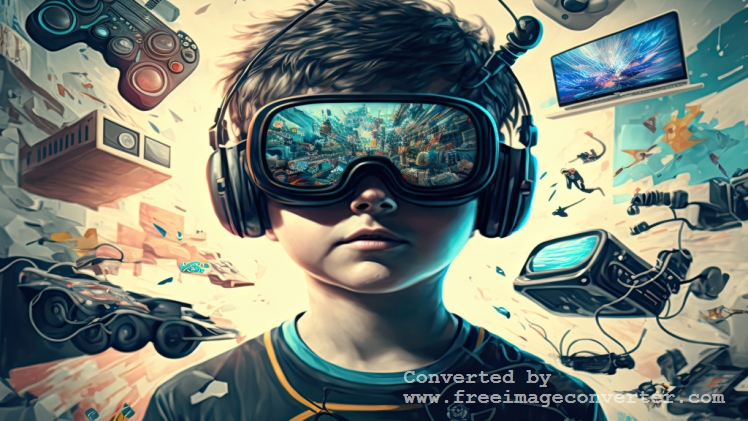
The world of sports has expanded beyond the physical into the virtual, giving rise to a new era of competition: esports. Today, competitive gaming has transformed into a global phenomenon, captivating millions of spectators and participants across the globe. From humble beginnings in small-scale arcade competitions, esports has burgeoned into a billion-dollar industry, complete with professional athletes, massive events, and substantial prize pools. This dramatic rise reflects not only changes in consumer technology and media consumption but also a broader acceptance of gaming as a legitimate sport.
The origins of esports can be traced back to the early 1980s when video game companies began organizing tournaments for games like “Space Invaders” and “Pac-Man.” These early competitions were simple gatherings in arcades, yet they laid the foundation for the competitive gaming scene. However, it wasn’t until the late 1990s and early 2000s, with the advent of online multiplayer games, that esports truly began to take shape. Games like “StarCraft,” with its massive following in South Korea, played a pivotal role in transforming competitive gaming into a spectator sport.
The evolution of internet technologies further fueled the Rummy app explosion. Increased broadband access and the development of streaming platforms like Twitch allowed millions of viewers to watch competitions from anywhere in the world. This accessibility turned esports into a global spectacle, with fans tuning in to watch professional gamers compete in real time. The social aspect of these platforms also played a crucial role, as viewers could interact with each other and with the broadcasters, creating a communal viewing experience akin to traditional sports.
The professionalization of esports has been another significant factor in its rise. Today, esports athletes train rigorously, much like traditional sports players, with dedicated routines for practice, fitness, and mental health. These gamers are often part of professional teams or franchises that compete in leagues analogous to those in conventional sports, such as the Overwatch League or the League of Legends Championship Series. These leagues not only organize regular seasons and playoffs but also offer salaries, benefits, and brand endorsements to their athletes.
Financially, all rummy has become a lucrative industry due to sponsorships, advertising, and media rights sales. Major companies from inside and outside the tech industry vie to sponsor events and teams, eager to reach the young, tech-savvy demographic that makes up a large portion of the esports audience. The prize pools for esports tournaments also reflect its high stakes, with some tournaments offering millions of dollars in winnings, further attracting talented players and investment from across the globe.
Cultural acceptance and recognition have been gradual but significant. Universities now offer scholarships for esports, recognizing the skill and commitment required to compete at a high level. Furthermore, countries like the United States and South Korea recognize esports players as professional athletes, granting them visas and other formal recognitions. Mainstream media outlets, previously skeptical, now cover major esports events; meanwhile, cities around the world bid to host big tournaments, understanding the economic impact these events can have.
The impact of esports extends beyond just entertainment and economics. It has begun to influence areas like education, where it is used to enhance learning and participation in school clubs and events. Additionally, esports has proven a valuable tool in fostering teamwork, strategic thinking, and communication among players.
Despite its many positives, esports faces challenges such as concerns over player health, issues of doping, and the need for more comprehensive governance to address cheating and other ethical issues. As the industry matures, addressing these challenges will be crucial for its sustainable growth.
Looking forward, the integration of emerging technologies such as virtual reality (VR) and augmented reality (AR) could further reshape the landscape of esports. These technologies promise to make the viewer experience even more immersive and interactive, potentially opening new avenues for engagement and participation.
In conclusion, the explosion of esports into a global phenomenon is a testament to the changing landscape of both sports and entertainment. As competitive gaming continues to grow, it not only redefines what it means to be an athlete but also expands our understanding of cultural and recreational activities in the digital age. The future of esports is not just about games; it’s about the ongoing evolution of digital culture and its increasingly significant impact on the global stage.