
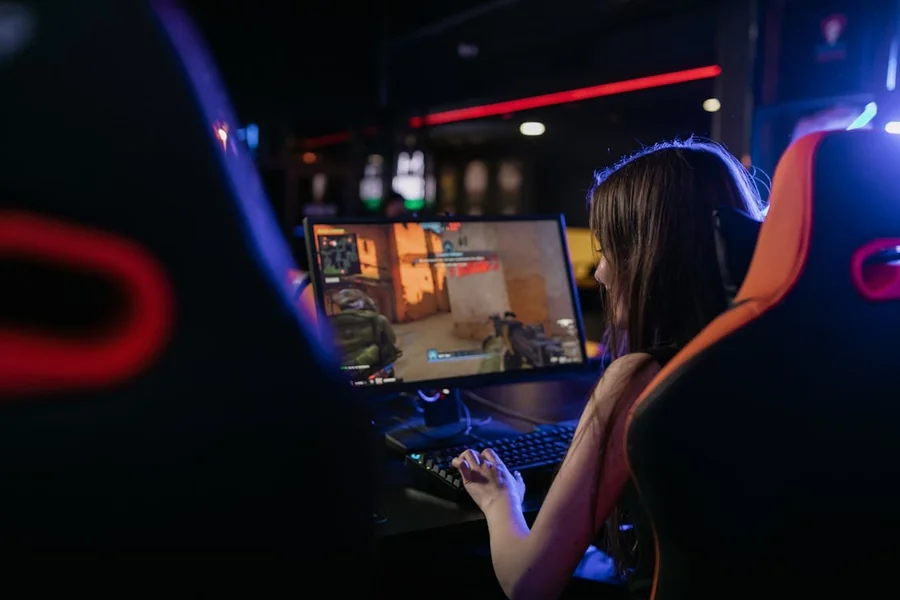
Online gaming shapes today’s digital lifestyle in many clear ways. People play games on phones computers and consoles every day. It is now a normal part of modern life. It changes how we talk learn relax and work. It changes how we spend money and how we build friendships. This new digital culture grows fast and affects almost every age group.
This article breaks down how online gaming plays a key role in today’s digital lifestyle. It explains how gaming shapes communication work habits social life and daily routines. It also looks at how gaming creates new paths for careers and personal growth.
Online Gaming Becomes a Daily Habit
Many people play online situs slot games every day. Some play during lunch breaks. Some play at night to relax. Games fit into normal routines because they are easy to access. You can play while waiting in line or riding a bus.
This quick access changed entertainment habits. People no longer wait for long TV shows or movies. They want fast fun. Online games fill that gap. They give instant action and short goals that feel rewarding.
This simple shift shows how online gaming now shapes how we use time. It turns free moments into active moments.
Online Games Build Social Connections
One of the biggest impacts of online gaming is social connection. Players talk to friends while they play. They join teams. They plan strategies. They share wins and losses.
This creates strong bonds. Many people feel closer to gaming friends than to people they meet in daily life.
Games like PUBG Fortnite Valorant and FIFA create shared goals. Friends meet online even if they live in different countries. This helps people feel less alone. It also makes gaming a space where friendships grow.
Communication in games also builds real skills like teamwork problem solving and leadership. These skills transfer to everyday life.
Gaming Shapes Digital Communication
People now use voice chat text chat emojis and quick signals during games. These small tools shape how we talk online.
Gamers learn to communicate fast. They avoid long sentences. They speak with purpose. This style spreads to social media and online work chats too.
Gaming communication also teaches people how to stay calm under pressure. During a match players must make quick decisions. They learn how to speak clearly even during stress. This helps them in real work situations.
Online Gaming Creates Learning Opportunities
Many games teach players new things without feeling like a classroom. Strategy games teach planning. Puzzle games build thinking skills. Action games improve reaction time. Team games teach cooperation.
Some games even help with language skills. Players talk to people from different countries so they learn new words.
Online gaming also introduces people to technology. They learn how servers work. They learn how to fix small issues. They learn how to optimize devices. This helps them stay updated in the digital world.
Parents also notice that many children learn faster through games than through books. Games hold attention and make learning fun.
Gaming Influences Work Culture and Careers
Online gaming shapes work life in many ways. More people want flexible work so they can enjoy gaming. Some turn gaming into a career.
Here are a few growing paths:
1. Content Creator
Gamers record their gameplay. They upload on YouTube or stream live. This opens income through ads and sponsorships.
2. Professional Player
Some players compete in esports tournaments. This brings prize money and brand deals.
3. Game Coach
Skilled players train beginners. Coaching becomes a steady income source.
4. Game Tester
Companies hire people to test games. Testers play games before release and share feedback.
5. Digital Marketer for Gaming Brands
As gaming grows many brands need marketing help. Creators who know gaming stand out.
Gaming also shapes work tools. Video calls screen sharing and online teamwork feel normal to gamers because they already use similar tools in gaming platforms.
Online Gaming and Digital Spending
People now spend money online for slot gacor games and digital items. This shapes modern shopping habits.
Players buy skins passes boosts and upgrades. Many do not buy physical items anymore. They buy digital rewards that improve their gameplay experience.
This changes how people view value. A digital item can feel more valuable than a real item. Gaming platforms also teach users how to manage digital wallets. Young players learn online spending early. This prepares them for modern e-commerce.
The rise of virtual items also supports new business models. Many companies now earn income through small in-game purchases instead of fixed prices.
Gaming and Mental Health Balance
Online gaming can help reduce stress. Many people use games as a break from work or study. Fast progress in games makes people feel good.
But gaming must be balanced. Too much gaming may affect sleep or school performance. The goal is to enjoy games without losing control of time.
More games now include wellness tools. Some warn users when they play too long. Some offer quiet modes. This shows the gaming world understands the need for healthy habits.
Gaming also helps mental health by connecting people. Friends talk during games. They share stories. This support feels real and helps many who feel lonely.
Online Gaming Creates a Global Culture
You can play with anyone across the world. You can join a match with players from Asia Europe Africa or the US.
This creates a shared global culture. People learn different accents and cultures. They learn how to work with others from around the world.
Many gamers say they learned more about other countries from online gaming than from school.
This global mix also spreads trends fast. Memes dance moves skins and gaming slang travel across countries within hours.
Mobile Gaming Expands Digital Lifestyle
Mobile gaming plays a big part in shaping digital life. Phones are affordable and always nearby.
This means more people join online games even if they do not own a computer or console.
Mobile games create a new digital habit. People open the phone hundreds of times a day. Gaming becomes part of that rhythm. This makes gaming a lifestyle instead of a hobby.
Cloud gaming also grows. People can play high quality games on simple devices. This pushes more users into the gaming world.
Games Inspire Creativity
Many online games allow players to build things. Users design houses cities outfits and battle maps.
This inspires creativity even if someone never studied art. Some players move into real careers like design animation video editing and branding because they learned skills from games.
Gaming platforms like Minecraft Roblox and Fortnite Creative empower young creators to express ideas with simple tools. They learn how to create content others enjoy.
The Future of Online Gaming in Digital Life
The future will bring deeper changes. Gaming will connect with virtual reality and augmented reality. People will meet in shared digital spaces. They will visit events concerts and classes inside games.
Games will also blend more with social platforms. You may soon create a digital identity that moves between apps and games.
Work and gaming may also merge. Some companies already use game-style systems to train staff. This trend will continue.
Online gaming will remain a key part of digital life. It will shape how we learn connect earn and express ourselves.
Conclusion
Online gaming shapes today’s digital lifestyle in many real ways. It changes how we talk relax work and connect with others. It creates new skills and new career paths. It encourages teamwork and global friendships. It builds a strong digital culture that grows every year.
Gaming is no longer a side activity. It is a major part of modern life. As more people join the online world gaming will continue to guide how we live and interact. With balance and smart habits online gaming can be a positive force that supports both fun and personal growth.